The Art of Transformation
Ceramics represents one of humanity's oldest art forms, combining natural materials with controlled heat to create lasting beauty.
Material Science
Understanding the properties of clay, glazes, and firing temperatures forms the foundation of ceramic work.
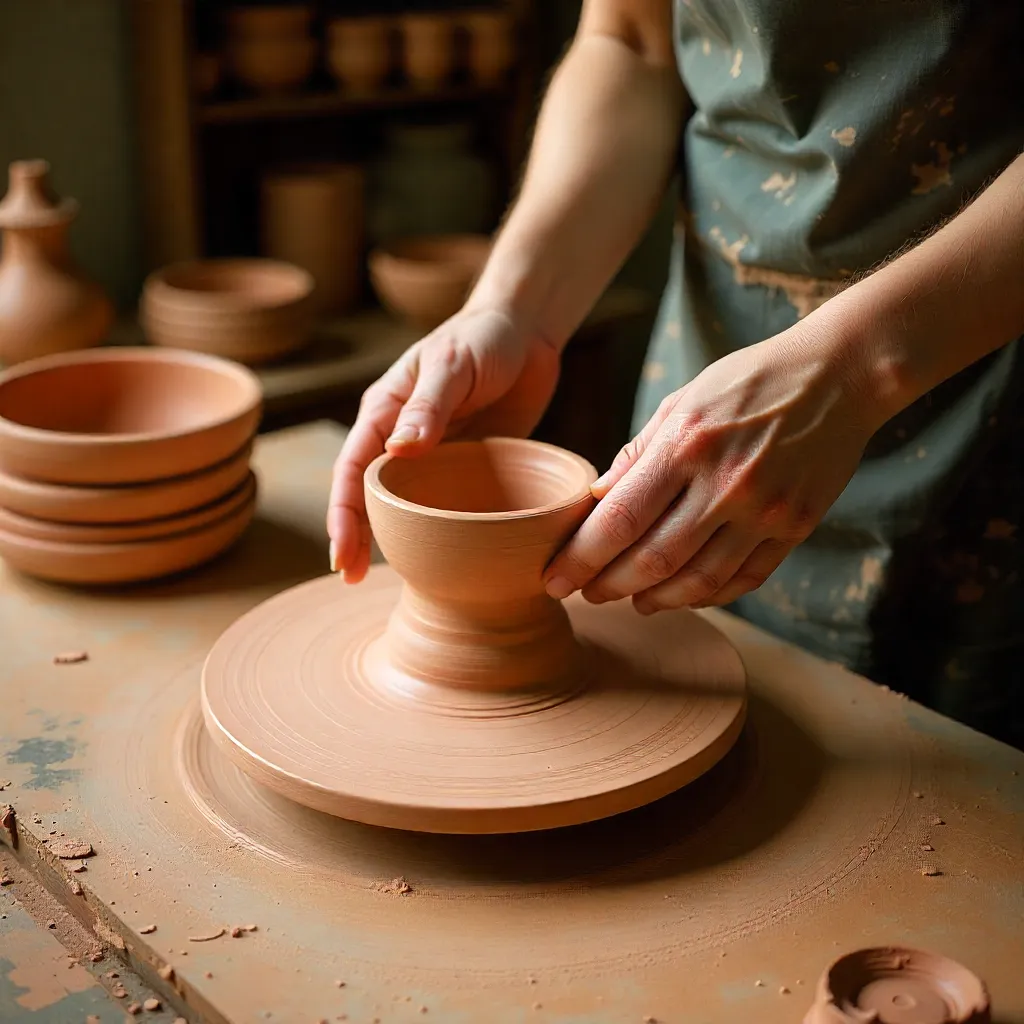
Hand Building
Traditional techniques like coiling, pinching, and slab construction allow for organic, expressive forms.
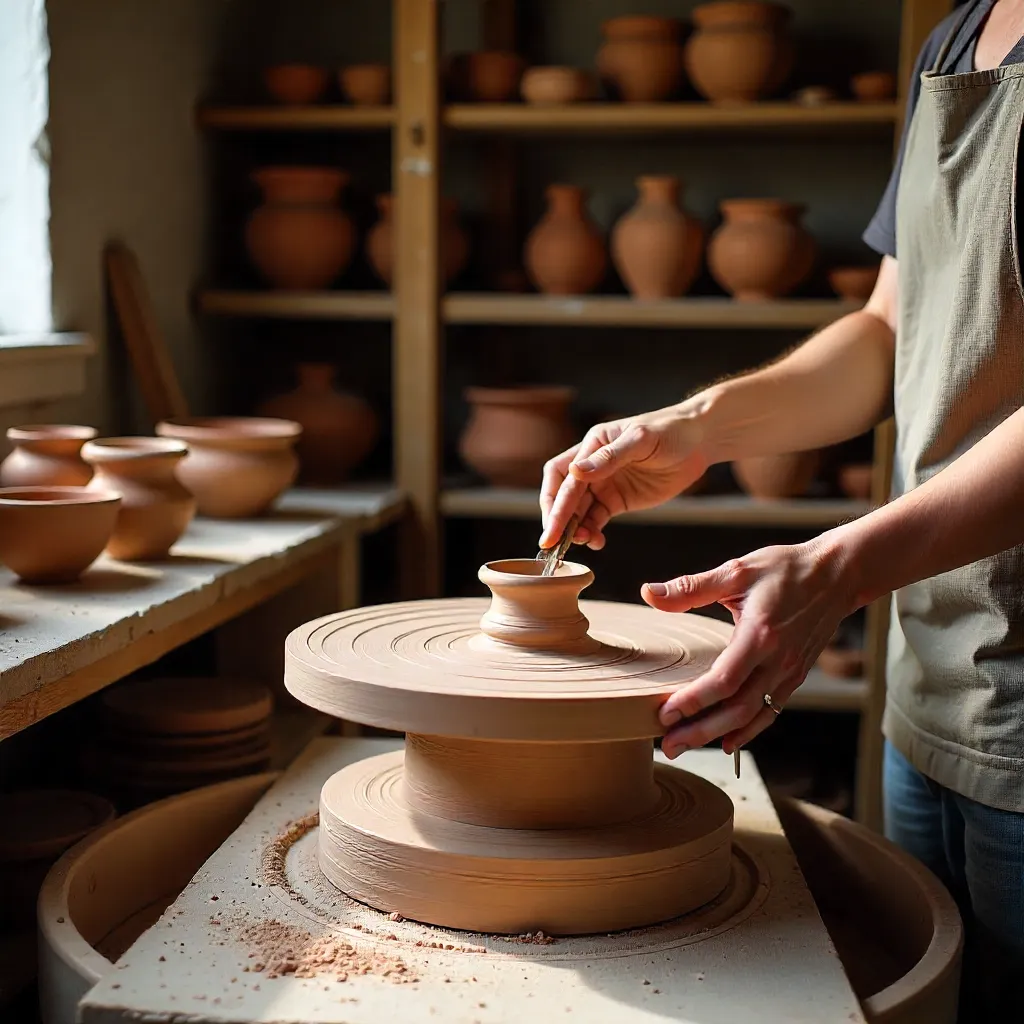
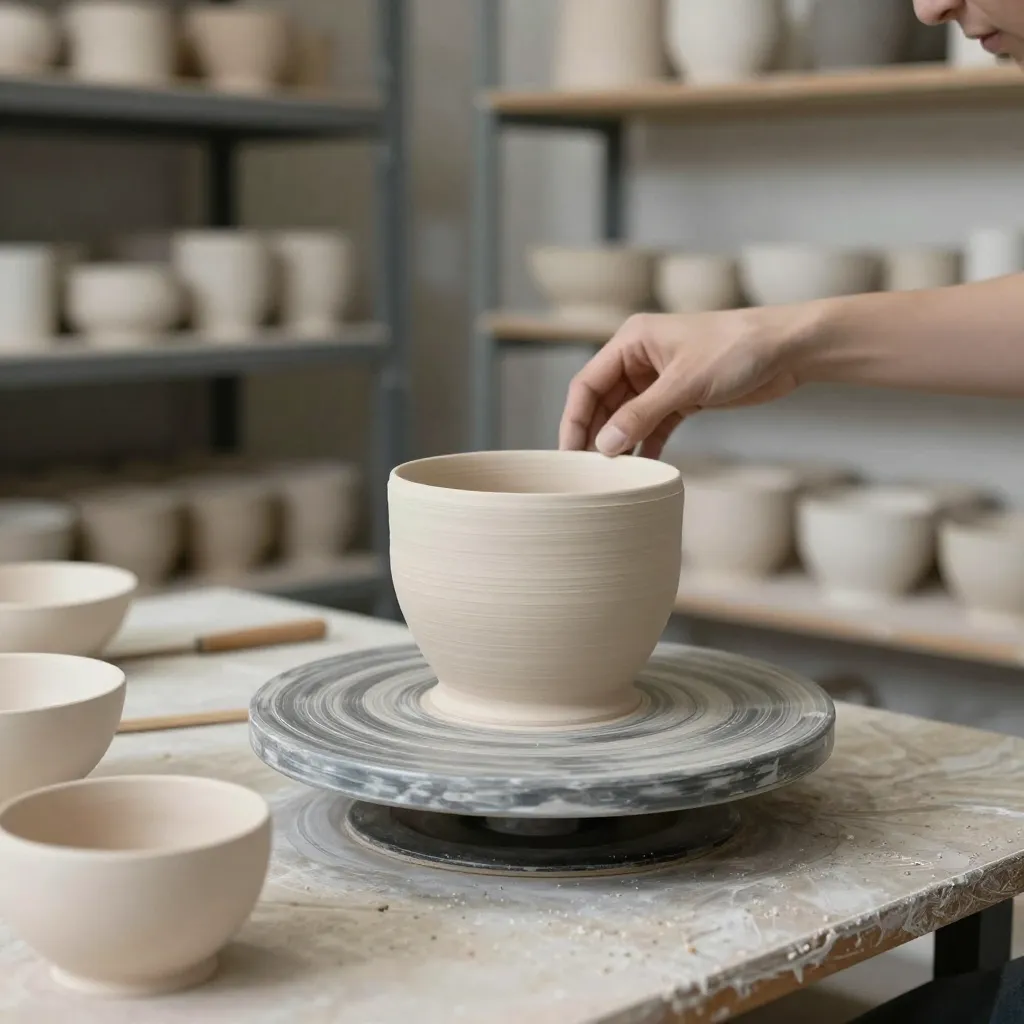
Wheel Throwing
The potter's wheel enables precise control and symmetry, creating functional and decorative vessels.
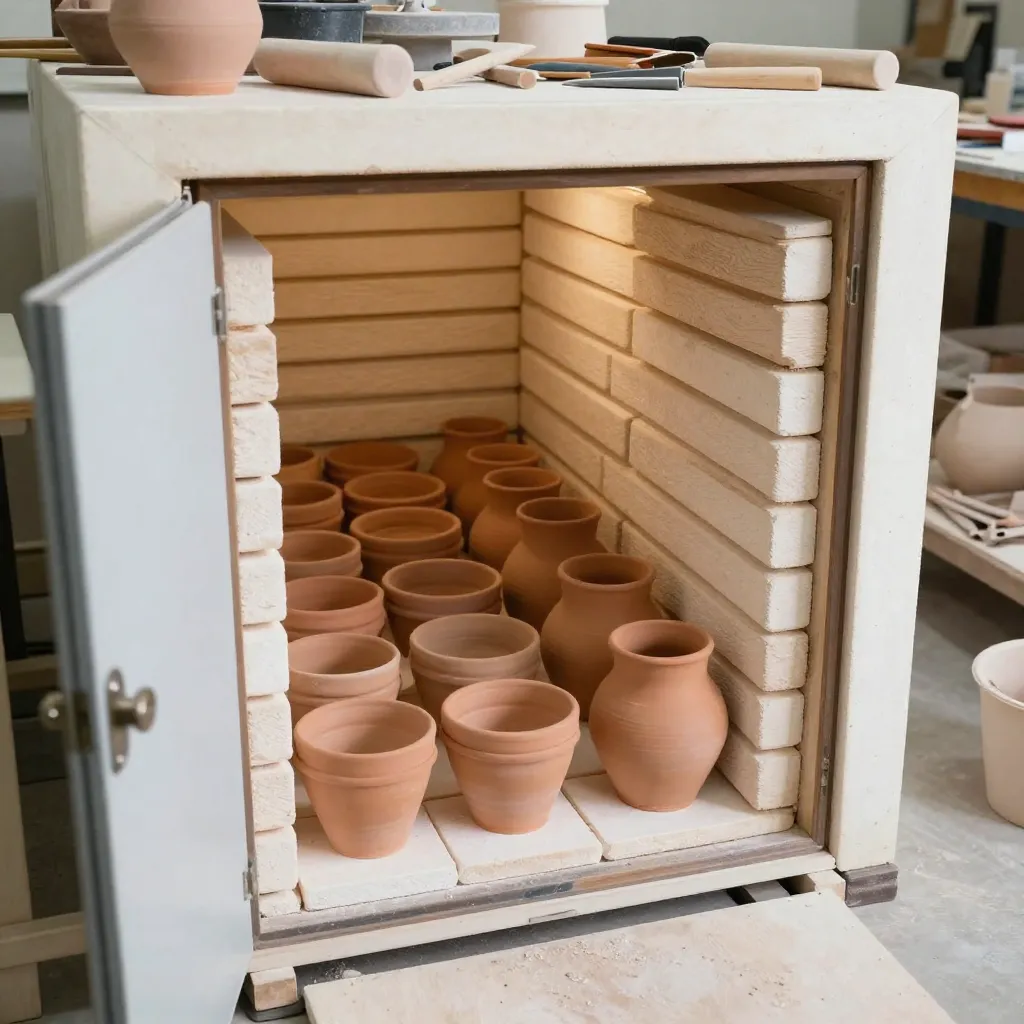
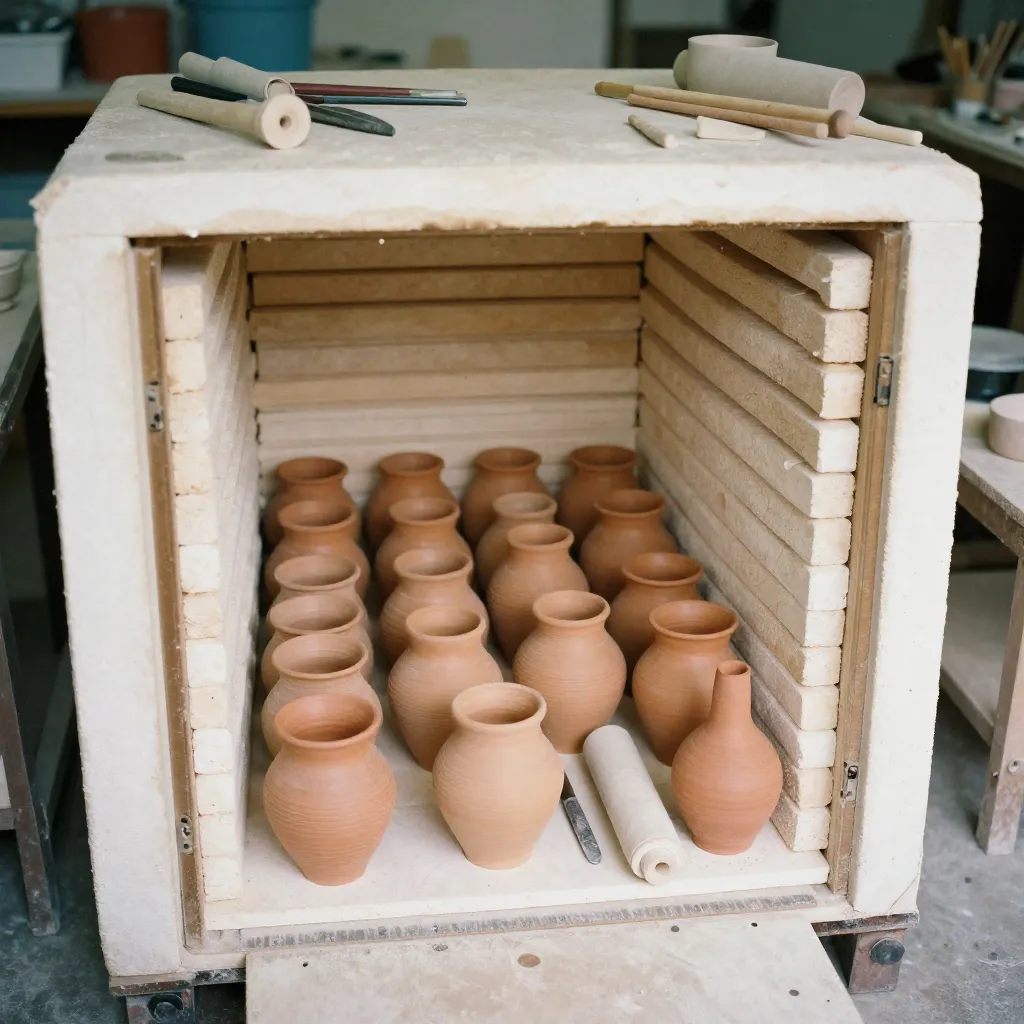
The Firing Process
From raw clay to vitrified ceramic, each piece undergoes a carefully controlled transformation.
Preparation
Clay is wedged and prepared, removing air bubbles and ensuring uniform consistency.
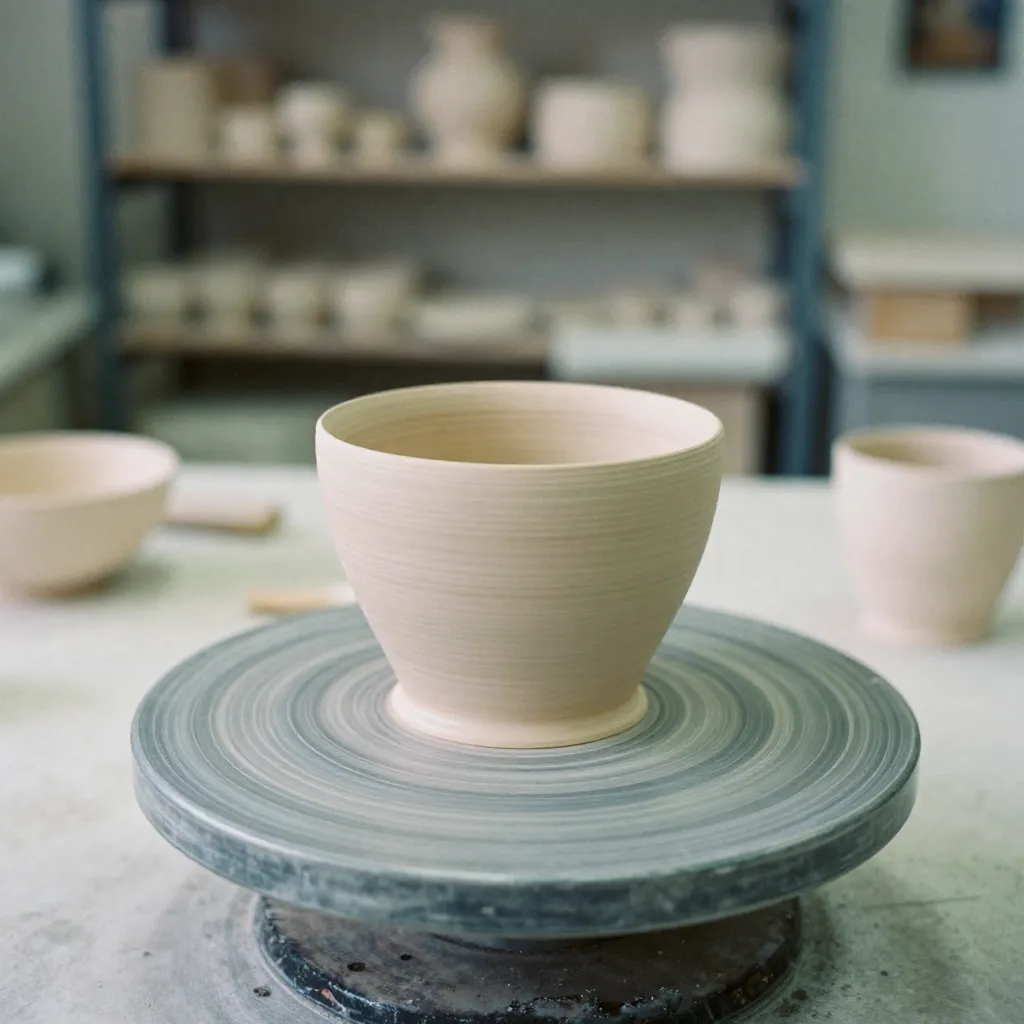
Forming
Shapes are created through hand building or wheel throwing, then allowed to dry slowly.
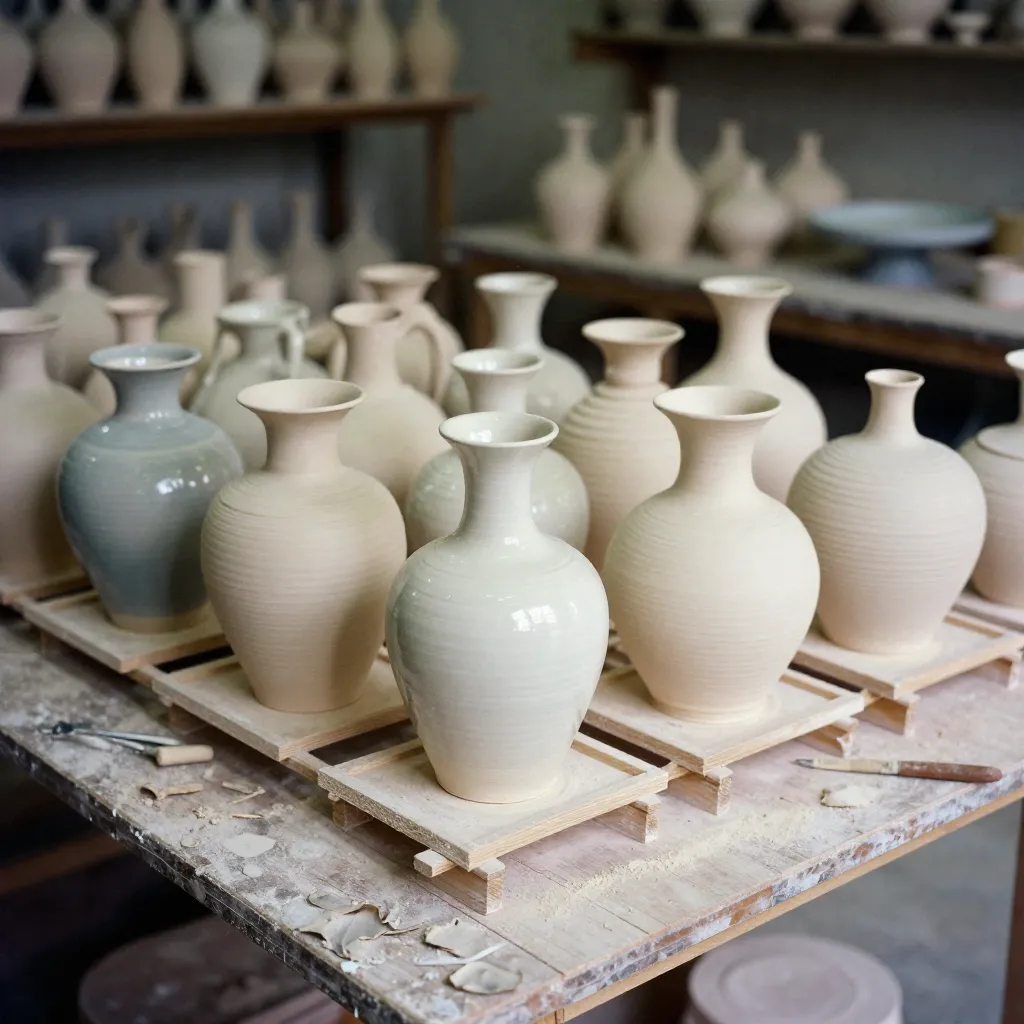
Glazing
Liquid glazes are applied, creating the final surface texture and color.
Exploring Techniques
Various methods offer different possibilities for expression and form.

Surface Decoration
Carving, stamping, and texturing add visual interest and personal expression to each piece.
Glaze Chemistry
Different mineral combinations create unique colors, textures, and surface qualities.
Understanding Materials
Each type of clay and glaze offers distinct characteristics and possibilities.
Clay Bodies
Earthenware, stoneware, and porcelain each have unique firing ranges and final properties.
Firing Temperatures
Different temperature ranges produce varying levels of vitrification and strength.
Glaze Formulation
Silica, alumina, and flux materials combine to create durable, beautiful surfaces.
Sources of Inspiration
Nature, architecture, and everyday objects inform the design process.
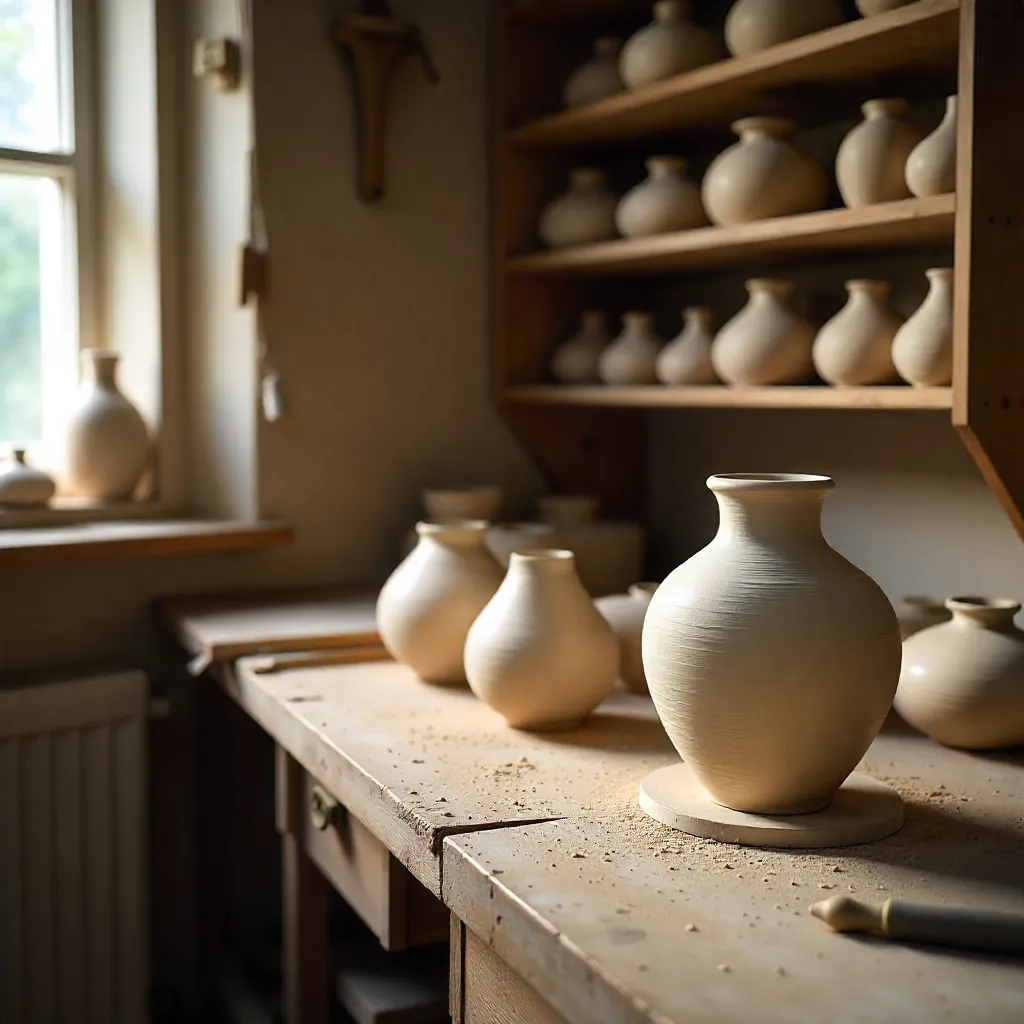
Natural Forms
Organic shapes found in nature inspire fluid, asymmetrical designs.
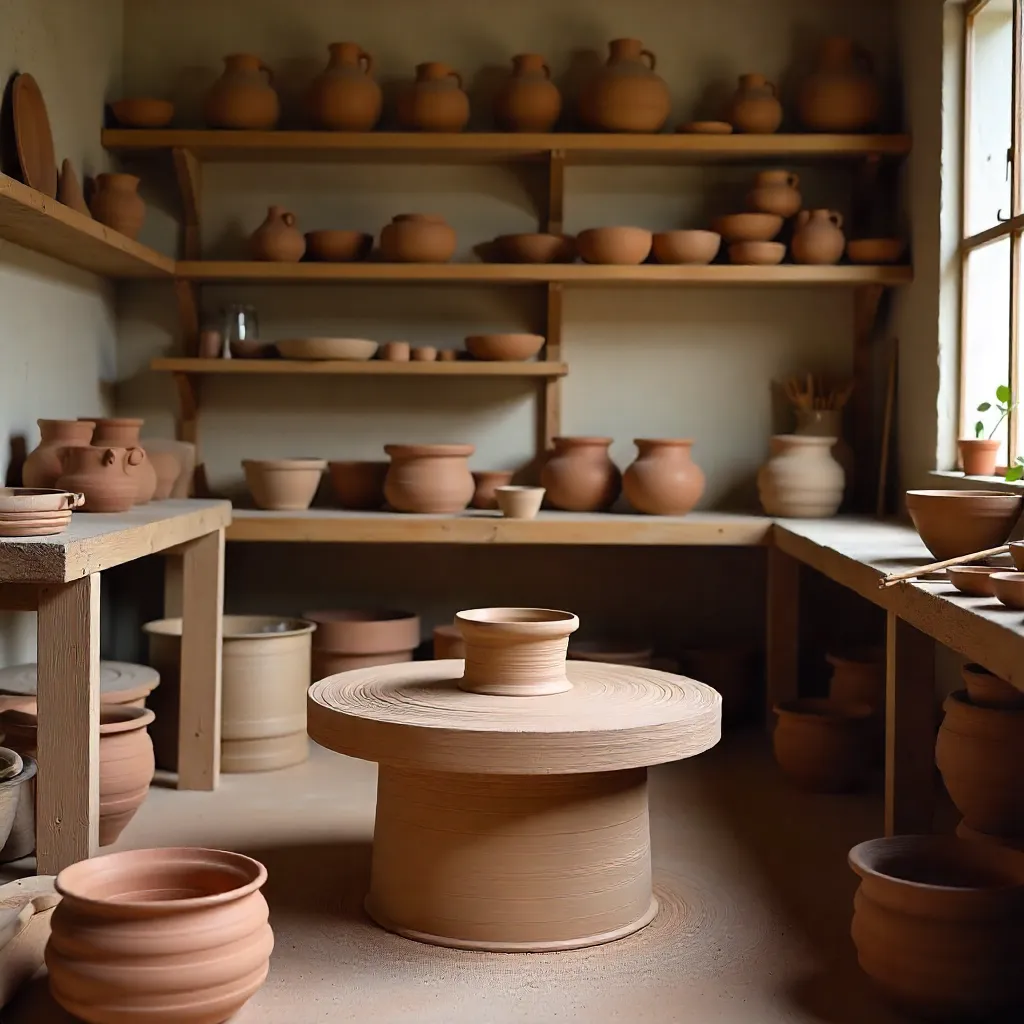
Functional Design
Balancing aesthetics with usability creates pieces that enhance daily life.